
 Image 1 of 1
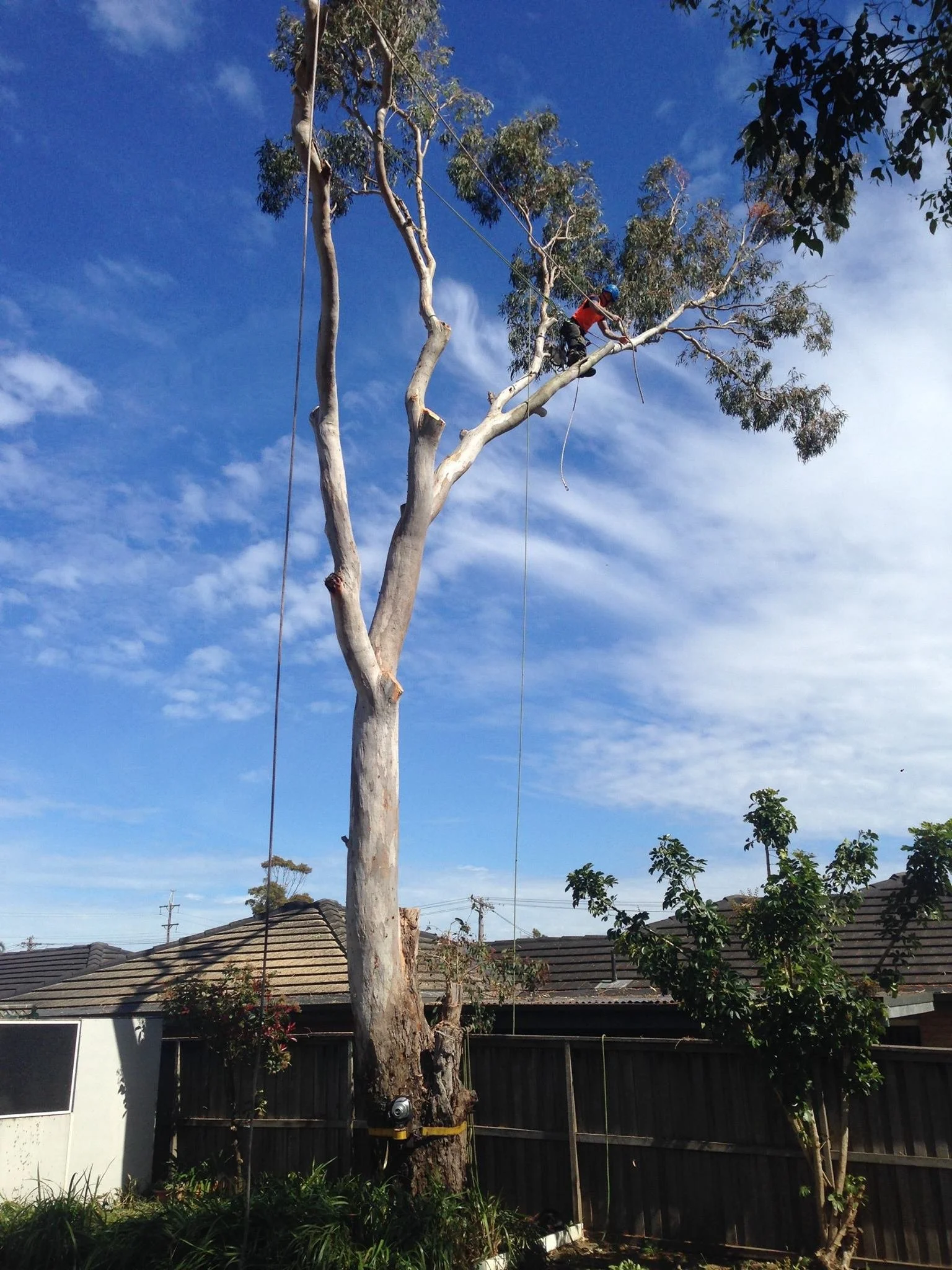
Tree pruning (also called trimming in some contexts) involves selectively removing specific branches or parts of a tree while keeping the tree alive and intact. The primary goals are to improve the tree’s health, structure, safety, and appearance without drastic changes.
Key purposes of pruning:
• Remove dead, diseased, damaged, or weak branches (the “Four D’s”: dead, diseased, dying, defective) to prevent spread of issues and reduce fall risks.
• Thin the crown to allow better airflow and sunlight penetration, reducing disease and improving overall vitality.
• Raise the canopy (crown raising) for clearance under the tree (e.g., for paths, vehicles, or views).
• Reduce size or shape (crown reduction) to fit space or direct growth away from structures/powerlines.
• Train young trees for strong structure (e.g., establishing a central leader).
Benefits: Promotes long-term tree health, enhances natural form, increases light/fruit production, and prevents future problems. Pruning is often routine maintenance.
Tree pruning (also called trimming in some contexts) involves selectively removing specific branches or parts of a tree while keeping the tree alive and intact. The primary goals are to improve the tree’s health, structure, safety, and appearance without drastic changes.
Key purposes of pruning:
• Remove dead, diseased, damaged, or weak branches (the “Four D’s”: dead, diseased, dying, defective) to prevent spread of issues and reduce fall risks.
• Thin the crown to allow better airflow and sunlight penetration, reducing disease and improving overall vitality.
• Raise the canopy (crown raising) for clearance under the tree (e.g., for paths, vehicles, or views).
• Reduce size or shape (crown reduction) to fit space or direct growth away from structures/powerlines.
• Train young trees for strong structure (e.g., establishing a central leader).
Benefits: Promotes long-term tree health, enhances natural form, increases light/fruit production, and prevents future problems. Pruning is often routine maintenance.